Introduction
Anxiety affects millions of adults, and while professional treatment is important, many people are discovering that what they eat plays a significant role in managing their symptoms. The connection between nutrition and mental health is no longer theoretical—it's backed by solid scientific research. Foods that reduce anxiety naturally contain specific compounds that support your nervous system, calm racing thoughts, and help restore emotional balance. Rather than reaching for processed snacks or caffeine when stress strikes, understanding which nutrients your brain needs can transform how you feel throughout the day. This article explores the science-backed nutrients that support nerve health and the real foods where you'll find them, giving you practical strategies to eat your way toward greater calm and resilience.
Understanding Anxiety: The Physical and Neurological Basis
Anxiety isn't simply a state of mind—it's a physiological response involving your nervous system, brain chemistry, and hormonal balance. When you experience stress or perceived threat, your brain releases neurotransmitters like cortisol and adrenaline that prepare your body for action. This "fight-or-flight" response is useful in genuine emergencies, but in modern life, many of us remain in this activated state far too often.
At the cellular level, anxiety involves imbalances in key neurotransmitters including serotonin, dopamine, and GABA (gamma-aminobutyric acid). Your brain requires specific nutrients to manufacture and regulate these chemical messengers. When your diet lacks magnesium, B vitamins, or omega-3 fatty acids, your nervous system struggles to maintain equilibrium. A 2018 study published in Nutritional Neuroscience found that nutritional deficiencies correlate directly with increased anxiety symptoms in adults. Your gut also plays a crucial role—the gut-brain axis means that digestive health and the bacteria living in your intestines influence your mood and anxiety levels. This is why foods that reduce anxiety naturally work on multiple levels: they replenish depleted nutrients, support healthy neurotransmitter production, and promote the gut health that underpins mental wellbeing.
Recognizing Anxiety Symptoms and Physical Manifestations
Anxiety presents differently for each person, but common symptoms include persistent worry, racing thoughts, difficulty concentrating, and a sense of impending dread. Many adults over 40 report that anxiety manifests physically: tension headaches, a tight chest, stomach discomfort, muscle tension (especially in the neck and shoulders), or an unexplained sense of fatigue despite adequate sleep.
You might notice your heart racing during mundane tasks, difficulty falling asleep because your mind won't quiet down, or a tendency to catastrophize minor problems. Some people experience what's called "free-floating anxiety"—a general sense of unease without a specific trigger. Others have recognized patterns: anxiety peaks during certain times of day, after particular foods, or in response to specific situations. Physical symptoms can include trembling hands, sweating, dizziness, or a persistent knot in your stomach. The somatic experience of anxiety is very real, even when the threat is primarily perceived rather than actual. Research from the American Psychological Association confirms that the mind-body connection in anxiety is bidirectional: anxious thoughts create physical tension, and physical tension reinforces anxious thoughts. This is why addressing anxiety through nutrition matters—by calming your nervous system through dietary choices, you interrupt this cycle at the physiological level.
The Impact of Anxiety on Daily Living and Quality of Life
Chronic anxiety doesn't just feel uncomfortable—it erodes quality of life in measurable ways. Many adults report that anxiety limits their social engagement, career advancement, and ability to enjoy activities they once loved. You might avoid certain situations due to anxiety, which can gradually shrink your world and increase isolation.
Sleep suffers significantly. Anxiety keeps your nervous system activated when you're trying to rest, leading to insomnia or fragmented, unrefreshing sleep. Poor sleep then worsens anxiety the following day, creating a downward spiral. Concentration becomes difficult, affecting work performance and mental clarity. Relationships strain when anxiety makes you irritable, withdrawn, or emotionally unavailable. Physical health declines as chronic stress elevates cortisol levels, weakens immunity, and contributes to inflammation throughout your body. Many adults report that persistent anxiety led to increased healthcare visits, medication use, and reduced productivity. The good news is that even modest dietary improvements supporting nerve health can interrupt this pattern. By prioritizing foods that reduce anxiety naturally, you're investing in better sleep, clearer thinking, improved relationships, and a life less constrained by worry.
Natural Approaches and Lifestyle Foundations for Calm
Nutrition is one pillar of anxiety management, but it works best alongside other natural approaches. Regular physical activity is one of the most powerful anxiety-reducing strategies available. Exercise increases endorphins, burns off excess stress hormones, and promotes better sleep. Even a 20-minute walk most days creates measurable improvements in anxiety levels.
Sleep hygiene matters enormously. Your nervous system resets during sleep; insufficient rest keeps you in a heightened anxiety state. Aim for consistent sleep schedules, cooler sleeping environments, and reduced screen time before bed. Stress management practices like meditation, deep breathing, or progressive muscle relaxation directly calm your nervous system. A 2021 study in JAMA Psychiatry showed that mindfulness-based stress reduction produces anxiety reduction comparable to some medications. Social connection reduces anxiety—meaningful time with friends and family buffers against stress. Limiting caffeine and alcohol is crucial; caffeine amplifies anxiety symptoms while alcohol disrupts sleep and gut health. Sunlight exposure regulates your circadian rhythm and supports serotonin production. These lifestyle foundations create an environment where nutritional support can work most effectively. When you combine good sleep, regular movement, stress-management practices, and a diet rich in anxiety-supporting nutrients, you're addressing anxiety from every angle.
Key Nutrients for Nerve Health and Anxiety Reduction
Magnesium is arguably the most important mineral for anxiety management. It regulates neurotransmitter function and supports a healthy stress response. A 2017 systematic review in Nutrients concluded that magnesium supplementation meaningfully reduces anxiety across multiple studies. Magnesium-rich foods include pumpkin seeds, almonds, spinach, black beans, and dark chocolate.
B vitamins are essential for neurotransmitter synthesis. B6, B12, and folate all support serotonin and dopamine production. Deficiency in these vitamins correlates with increased anxiety and depression. You'll find B vitamins in eggs, salmon, chicken, leafy greens, chickpeas, and whole grains. This is why many adults turn to targeted nerve support formulas—one such option combines these key nutrients in one convenient form.
Omega-3 fatty acids reduce inflammation in the brain and support neurotransmitter function. A 2015 meta-analysis in Psychosomatic Medicine found that omega-3 supplementation reduces clinical anxiety. Fatty fish like salmon, mackerel, and sardines are excellent sources, as are flaxseeds, chia seeds, and walnuts.
Zinc supports immune function and helps regulate the stress response system. Low zinc levels correlate with increased anxiety and depression. Oysters, beef, pumpkin seeds, and chickpeas provide bioavailable zinc.
Amino acids like L-theanine and L-glutamine support neurotransmitter balance. L-theanine is found in green tea and creates a calm, focused state without drowsiness. These nutrients work synergistically; your body needs the complete spectrum to maintain optimal nerve health.
Practical Strategies for Incorporating Anxiety-Reducing Foods Into Your Diet
Building an Anxiety-Supportive Meal Structure
Rather than overhauling your entire diet overnight, focus on simple additions and substitutions. Start by ensuring each meal contains protein, healthy fats, and complex carbohydrates—this combination stabilizes blood sugar and prevents the energy crashes that trigger anxiety spikes. For breakfast, swap sugary cereals for Greek yogurt topped with walnuts and berries, or eggs with whole-grain toast. These choices provide magnesium, B vitamins, and protein to set a calm tone for your day.
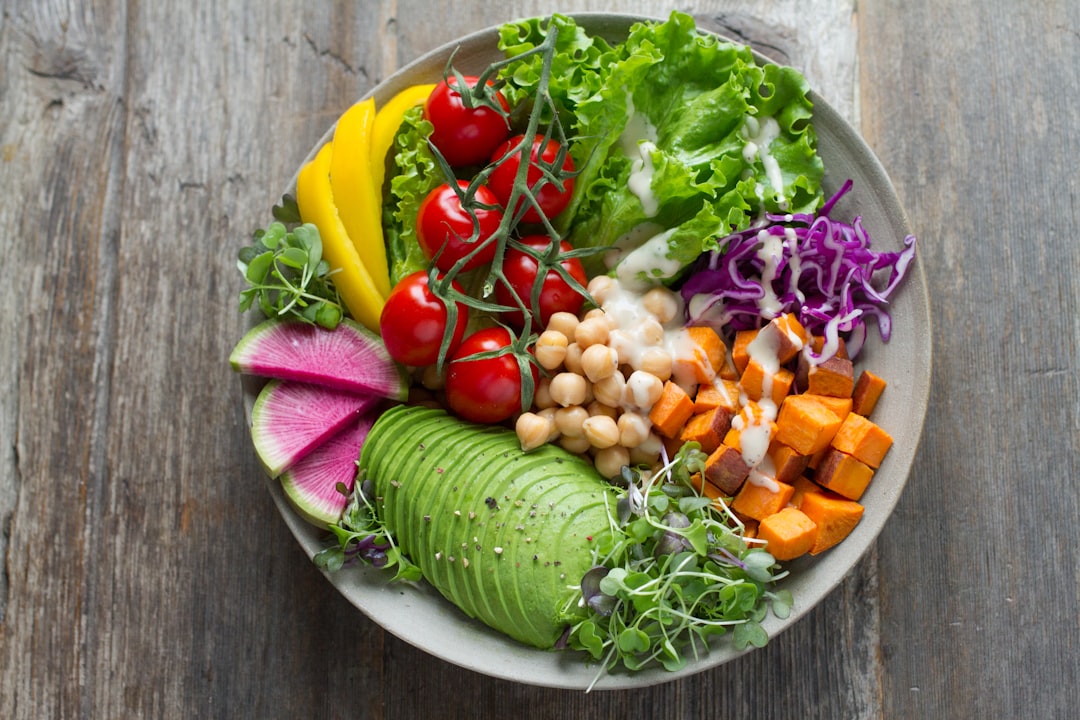
Lunch works best when it includes fatty fish or poultry with leafy greens and a healthy fat source like olive oil or avocado. A simple salmon salad with spinach and pumpkin seeds delivers omega-3s, magnesium, zinc, and B vitamins in one meal. Dinner can follow a similar pattern: grilled chicken or baked mackerel with roasted vegetables and quinoa. Snacks matter significantly—almonds, cashews, Greek yogurt, or hummus with vegetables provide sustained energy and nutrients without the blood sugar roller coaster that refined snacks create.
Strategic Hydration and Herbal Support
Dehydration amplifies anxiety symptoms because even mild dehydration stresses your nervous system. Aim for consistent water intake throughout the day—a practical target is half your body weight in ounces. Beyond water, certain herbal teas offer direct anxiety-reducing benefits. Chamomile contains apigenin, a compound that binds to anxiety-related receptors in your brain. Passionflower has been used for centuries to calm the nervous system and improve sleep. Peppermint tea soothes digestive tension, which many anxious people experience. Green tea provides L-theanine, creating alert calm. Regular herbal tea consumption is a simple, enjoyable way to reinforce your dietary anxiety-management strategy.
Meal Planning and Consistency
One of the biggest challenges people face is consistency. When anxiety is high, planning feels overwhelming. Simplify by preparing the same basic meals repeatedly. Choose three breakfast options, three lunch options, and three dinner options that you enjoy and that support nerve health. Prepare proteins in bulk on weekends—grill chicken breasts, bake salmon, cook ground turkey. Roast vegetables in large batches. This removes daily decision-making and ensures you always have anxiety-supporting foods available. Many people find that meal prep once weekly transforms their ability to maintain dietary choices during stressful periods.
When to See a Doctor: Recognizing When Professional Help is Necessary
While nutrition significantly supports anxiety management, certain situations require professional evaluation and treatment. If your anxiety is severe, rapidly worsening, or preventing you from functioning in daily life, schedule an appointment with your primary care physician or a mental health professional. Anxiety accompanied by chest pain, shortness of breath, or confusion warrants immediate medical attention, as these could indicate a physical health emergency.
If you're having thoughts of self-harm or suicide, call the National Suicide Prevention Lifeline at 988 or go to your nearest emergency room immediately. Anxiety that emerges suddenly after years of stability may indicate a medical condition requiring diagnosis—thyroid problems, for example, often present as anxiety. If you're taking medications, consult your healthcare provider before making significant dietary changes, as some nutrients interact with pharmaceuticals. Additionally, if you've made consistent dietary and lifestyle improvements over 8-12 weeks and anxiety remains severe, professional treatment such as therapy or medication may be necessary. Nutritional support works best as part of a comprehensive approach that may include professional care. There's no shame in seeking help—anxiety is common, treatable, and responsive to multiple interventions working together.
Frequently Asked Questions
Q: How quickly will dietary changes affect my anxiety?
A: Some people notice improvements in sleep and mental clarity within 1–2 weeks of dietary changes, while others require 4–6 weeks for meaningful shifts. Consistency matters more than perfection. Your nervous system repairs gradually as you provide consistent nutritional support. Don't expect overnight transformation, but track subtle improvements: better sleep, fewer racing thoughts, or steadier mood throughout the day.
Q: Can food alone replace anxiety medication or therapy?
A: Nutrition is an important support tool, not a replacement for professional treatment. If you're currently taking medication or working with a therapist, discuss dietary changes with your healthcare provider. For mild anxiety, dietary and lifestyle changes sometimes prove sufficient. For moderate to severe anxiety, combining nutrition, therapy, and sometimes medication creates the best outcomes.
Q: Are there foods I should avoid if I have anxiety?
A: Yes. Reduce refined sugars, which create blood sugar crashes that spike cortisol and worsen anxiety. Limit caffeine, which amplifies physical anxiety symptoms. Reduce ultra-processed foods, which lack nutrients your nervous system needs. Minimize alcohol, which disrupts sleep and depletes B vitamins. These aren't absolute prohibitions, but reducing them creates space for anxiety-supporting foods.
Q: Is there a difference between foods that reduce anxiety and supplements?
A: Both can support nerve health, but whole foods contain additional beneficial compounds beyond isolated nutrients. Salmon provides omega-3s plus vitamin D, selenium, and amino acids. Spinach delivers magnesium along with folate and other antioxidants. Whole foods are generally easier for your body to absorb and utilize. That said, supplements can fill specific gaps when dietary intake falls short. The ideal approach combines nutrient-dense whole foods as your foundation, with targeted supplements addressing any remaining deficiencies identified through dietary assessment.
Q: Can anxiety related to hormonal changes (like menopause or PMS) be addressed through nutrition?
A: Yes, hormonal fluctuations significantly influence anxiety, and nutrition can help stabilize these patterns. Magnesium, calcium, and B vitamins specifically support hormonal regulation. Regular meal timing prevents blood sugar swings that amplify hormonal mood changes. Some women find that reducing caffeine during high-anxiety phases of their cycle helps considerably. However, severe hormonal anxiety sometimes requires professional evaluation to rule out thyroid issues or other medical causes, and may benefit from targeted medical treatment alongside nutritional support.
Managing anxiety through nutrition is empowering—you're taking direct action to support your nervous system with every meal. If you're exploring all available options for calm and nerve health, Quiet Nerves review breaks down how targeted supplementation complements the dietary approaches covered here. Visit the homepage to learn more about the ingredients and research behind this formulation.